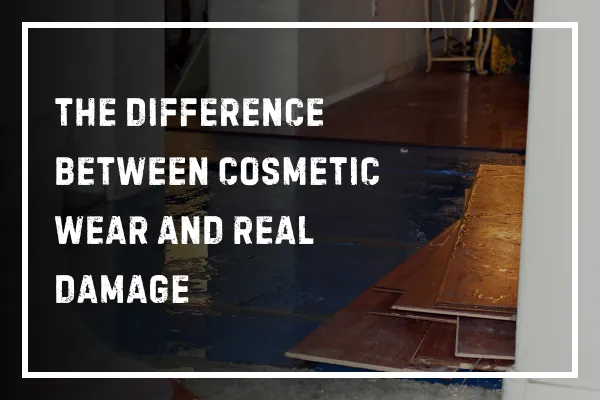
The Difference Between Cosmetic Wear and Real Damage
Most homeowners panic too late.
They ignore the small stuff for years because it looks harmless. Then they overreact to something that simply looks ugly. The result is predictable. Money gets spent in the wrong places. Real problems hide behind cosmetic distractions.
If you want to protect your home and your budget, you need to understand the difference between cosmetic wear and structural or system damage. One is about appearance. The other is about performance. Let’s break it down.
1. Paint That’s Fading vs. Paint That’s Failing
Faded paint is cosmetic. Sun exposure, especially in the Pacific Northwest’s brief but intense summer cycles, can dull color over time. It might look tired, but it is not automatically compromised.
Failing paint is different. Look for peeling, bubbling, or widespread cracking. That signals moisture intrusion or poor surface prep. When paint loses adhesion, water gets a direct path into siding, trim, and framing. That is no longer about looks. That is about protection.
Cosmetic wear affects curb appeal. Failing paint affects longevity.
2. Hairline Drywall Cracks vs. Structural Movement
Small, straight hairline cracks above door frames or along seams are common. Homes expand and contract with temperature changes. Minor cracking in drywall is usually cosmetic.
But cracks that widen over time, stair-step through brick, or run diagonally from windows can indicate foundation movement. Doors that suddenly stick. Windows that refuse to close. Floors that slope. Those are signals that something bigger is shifting.
Drywall tape repair is cosmetic. Foundation repair is not.
3. Worn Flooring vs. Subfloor Problems
Scratched hardwood. Dull finish. Slightly chipped laminate. These are cosmetic. They affect aesthetics, not integrity.
Soft spots underfoot, sagging areas, or floors that feel spongy are a different story. That can signal moisture damage, rot, or subfloor failure. Once the structure beneath the finish is compromised, the problem accelerates.
A refinish improves appearance. Structural repair protects stability.
4. Surface Stains vs. Active Leaks
A small water stain on the ceiling that never grows may be leftover evidence from a past issue that was resolved. It is cosmetic, assuming the source was truly fixed.
A stain that darkens after every heavy rain is active damage. That means water is still entering the system. Roofs, flashing, siding, and penetrations are all suspects. Moisture is patient. It will win if ignored.
Paint can hide a stain. It cannot stop a leak.
5. Aging Materials vs. System Failure
Every material ages. Caulk cracks. Deck boards weather. Exterior trim shows wear. Aging is cosmetic until it crosses into failure.
When caulking gaps widen enough to let water penetrate. When deck boards soften from rot. When siding separates from the structure. That is no longer aging. That is exposure.
A house is a system. When one layer stops doing its job, everything behind it pays the price.
The Bottom Line
Cosmetic wear changes how your home looks. Real damage changes how your home performs. Faded paint, light surface cracks, and minor scuffs are normal aging. Peeling paint, spreading cracks, soft wood, and active leaks are warning signs. The difference is protection. If a material is no longer doing its job, it is no longer cosmetic.
Homes fail slowly, then all at once. The goal is not to panic. It is to pay attention. Catch performance issues early, fix them correctly, and protect the systems that protect your investment.
