How to Choose the Best Fence for Your Home
Let’s be real: nothing says suburban chaos like a leaning chain-link fence and a neighbor who thinks their yard is a junkyard. Your fence isn’t just a property line—it’s the frame around your outdoor life. Whether you’re going for privacy, curb appeal, or simply trying to keep the dog from chasing the mailman, your fence needs to do more than just exist. It needs to work. Here's how to choose a fence style that actually fits your life, your home, and your sanity.
1. Know Your Why
Privacy? Security? Curb appeal? Pet containment? Child safety? Your reason for building should drive every decision. A six-foot cedar fence and a charming white picket fence serve very different purposes. If you don't know your why, you'll end up with a fence that looks great and solves zero problems.
2. Wood: Classic, Customizable, and High Maintenance
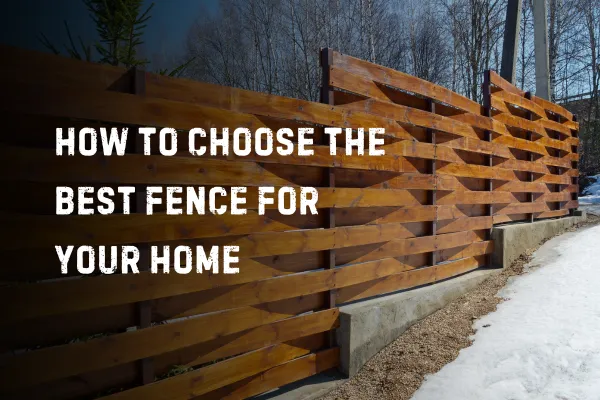
Wood fences offer warmth and character you can’t fake. They can be stained, painted, and tailored to match your home’s vibe. But be warned: they also require regular maintenance unless you want them to age like milk. Think power washing, sealing, and the occasional board replacement. Worth it? That’s your call.
3. Vinyl: The "Set It and Forget It" Option
Vinyl fences are like the air fryer of fencing—low effort, surprisingly versatile, and strangely satisfying. They're weather-resistant, low-maintenance, and clean up easily. While they don’t have the charm of wood, they bring serious functionality without the upkeep.
4. Metal: Security Meets Style
Wrought iron or aluminum fencing screams upscale and secure. Perfect for showcasing landscaping or defining space without closing it off. Downside? Less privacy. Upside? You’ll never replace a board again.
5. Composite: The Compromise King
Want the look of wood without the maintenance? Composite fencing blends recycled wood fibers and plastic for a durable, low-maintenance option that won’t rot, warp, or splinter. It’s more expensive upfront, but saves you in the long game.
6. Pick the Right Height (and Check Your HOA)
A six-foot privacy fence is great—until your HOA hits you with a violation notice. Always check your local zoning laws, property lines, and HOA restrictions before you dig. Height, style, and placement can all get you into hot water if you don’t do your homework.
7. Think About the View (Yours and Theirs)
Your neighbor probably doesn’t want to stare at the back of a fence that looks like an afterthought. Consider a good-neighbor design with the same finish on both sides. Bonus: you look considerate, even if you’re just following code.
8. Match Your Home's Architecture
Modern home? Go horizontal. Cape Cod style? Maybe a classic picket. Craftsman bungalow? Wood with trim detailing. Your fence should be an extension of your home’s style, not something that looks like it was ordered from the wrong catalog.
9. Consider the Climate
In the Pacific Northwest, moisture is a given. Wood can warp, metal can rust, and vinyl can get brittle in extreme cold. Choose materials and finishes that stand up to the weather—unless you like surprises.
10. Plan the Gate Like You Mean It
Too many homeowners think of the gate as an afterthought. It’s not. Your gate needs to be accessible, secure, and styled to match the rest of the fence. One poorly placed, squeaky gate can undo an otherwise flawless install.
Final Word
Your fence isn’t just a boundary—it’s a statement. Take the time to choose a style and material that make sense for your home, your goals, and your future weekend schedule. A good fence will protect your space. A great fence will elevate it.
